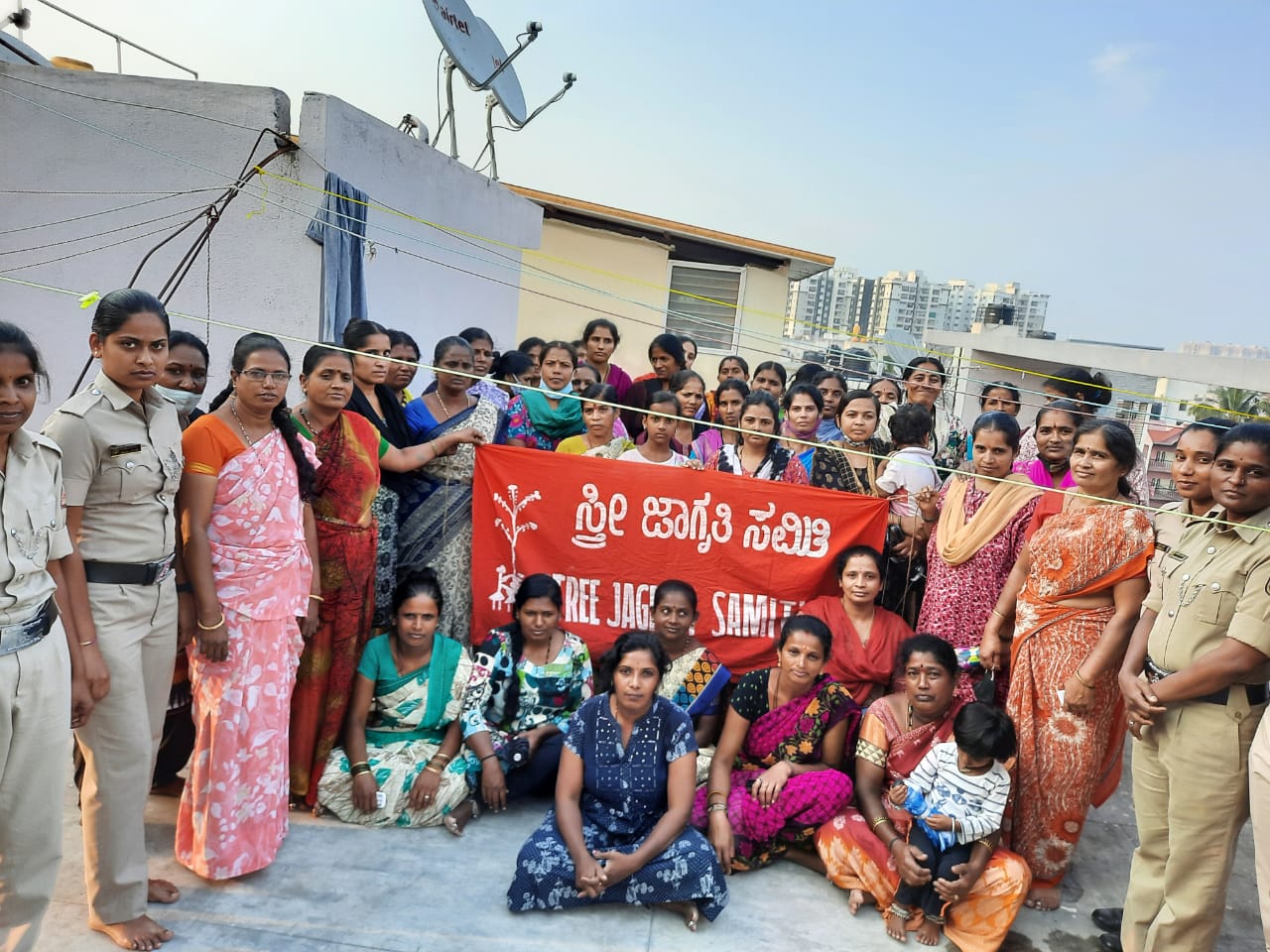
Through case handling and advocacy, Mitr Sanketha provided legal support to domestic workers facing exploitation, harassment, and trafficking
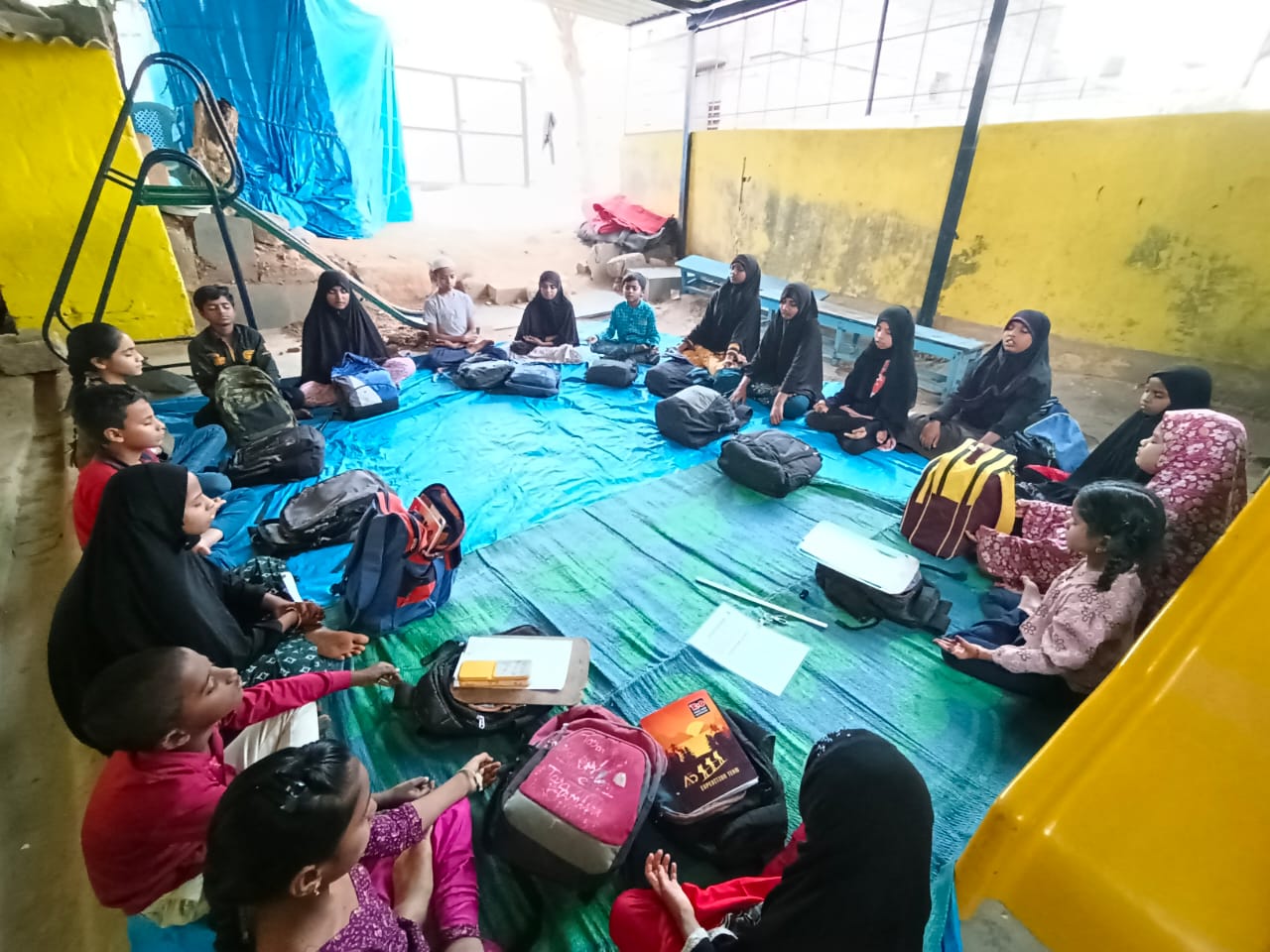
Recognizing the impact of COVID and financial hardship on children’s schooling, the union provided direct advocacy and material support.
Mitr Sanketha ensured that domestic workers had basic health monitoring tools and COVID‑19 support, while raising awareness about protocols and entitlements.
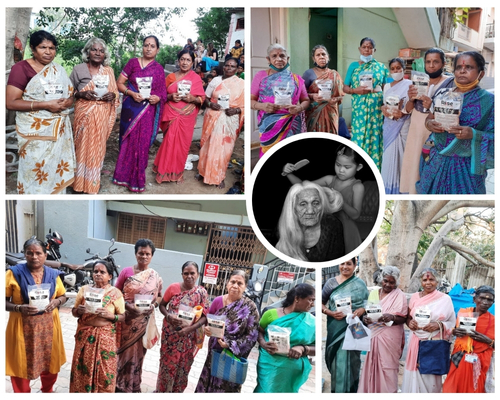
The Adopt a Granny initiative was created to support elderly domestic workers who, despite decades of service, remain invisible and unsupported. Many of these women, especially during and after the COVID-19 crisis, faced severe financial and emotional hardships with no pensions, family backing, or recognition from the system.
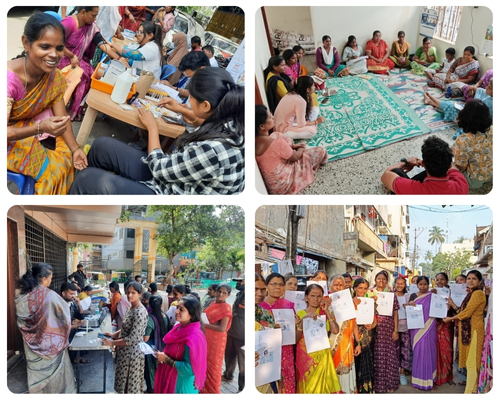
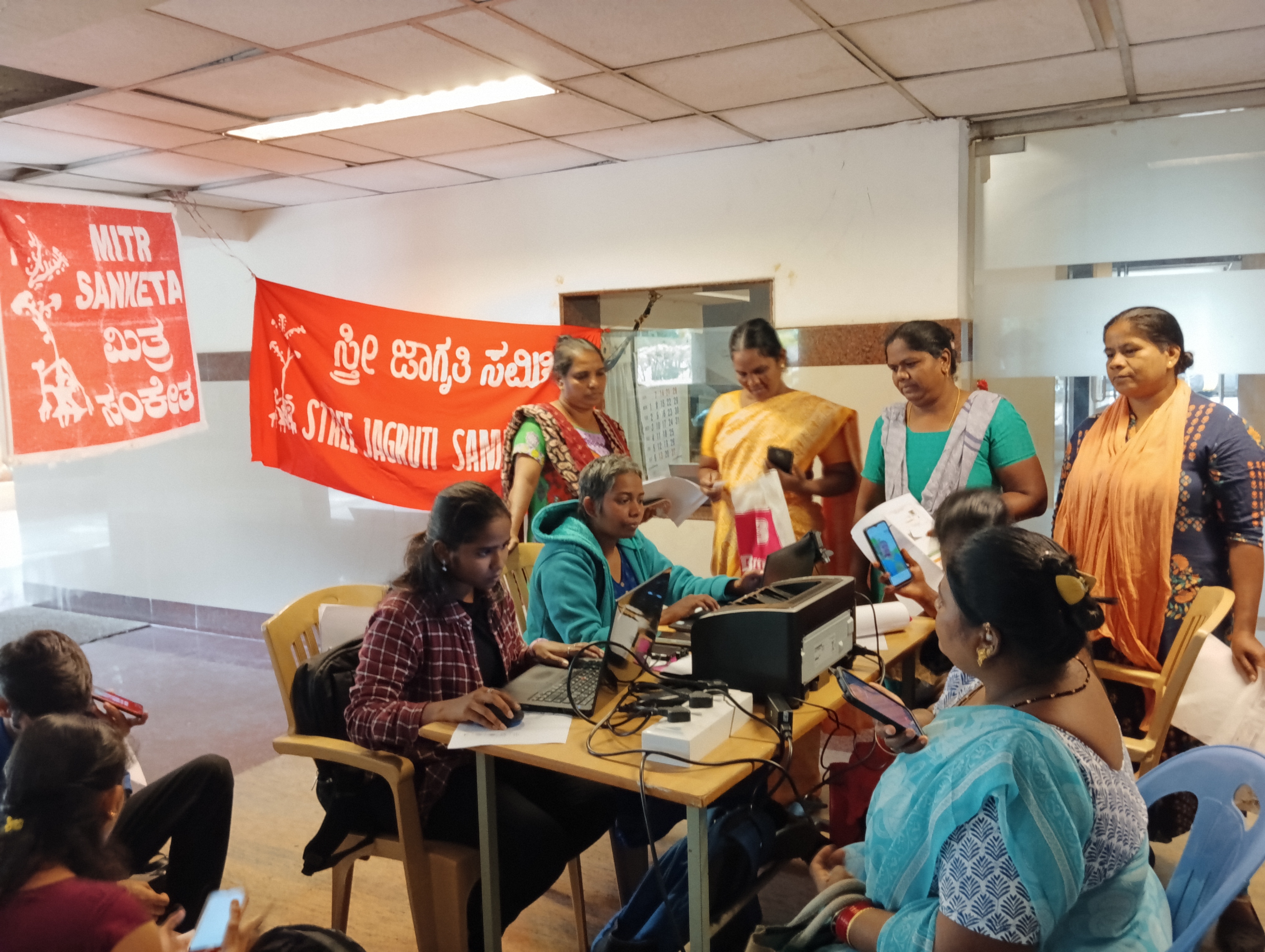
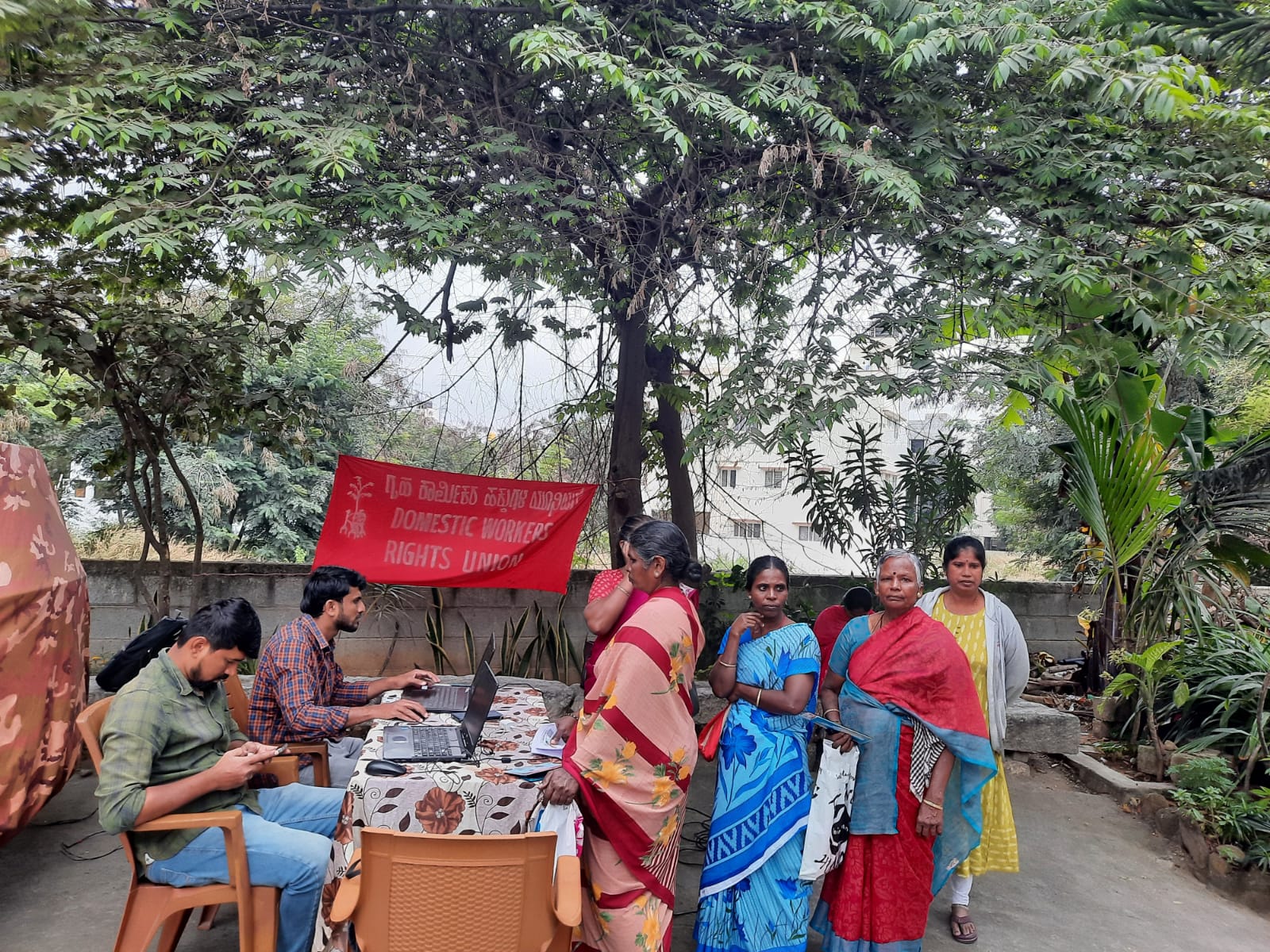
To secure social security, the union actively guided members through complex application processes for state and central welfare schemes.
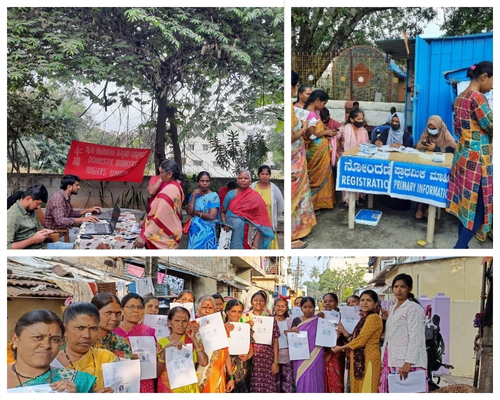
Believing in democratic power, Mitr Sanketha ran extensive campaigns to increase voter registration and political awareness among domestic workers.
Strong, informed local leadership has been at the heart of the union’s sustainability and outreach.
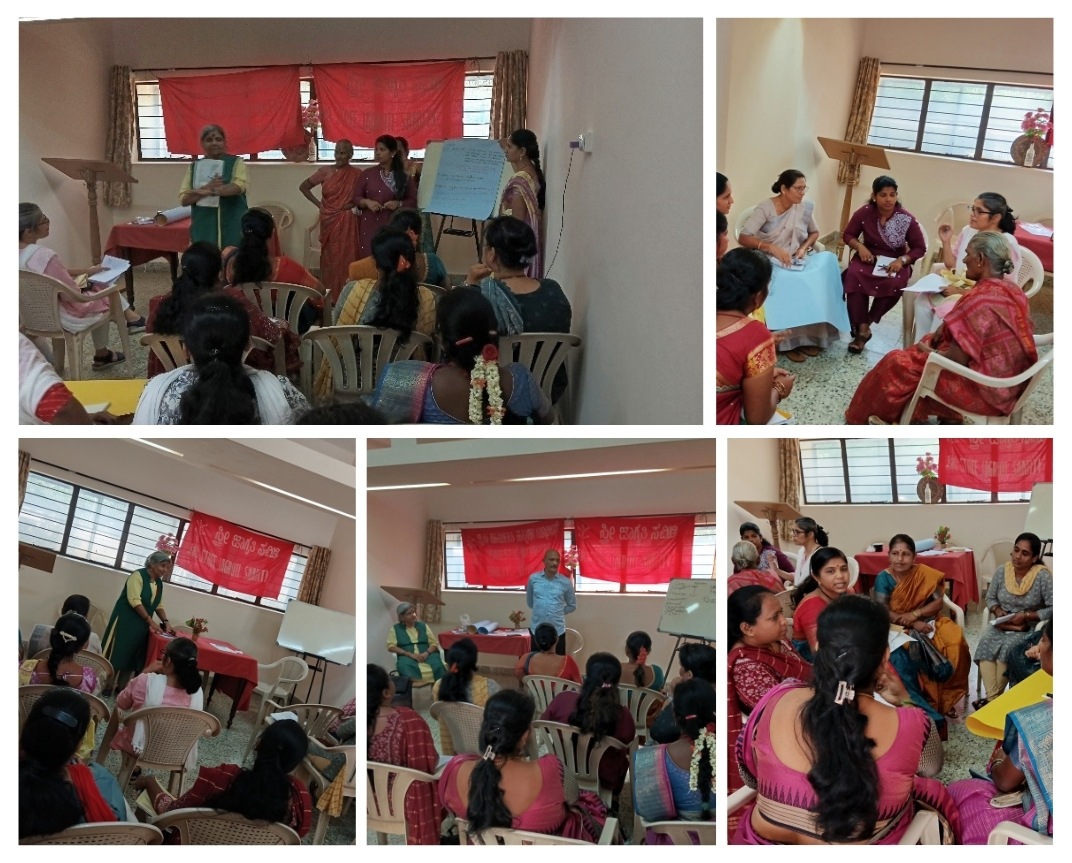
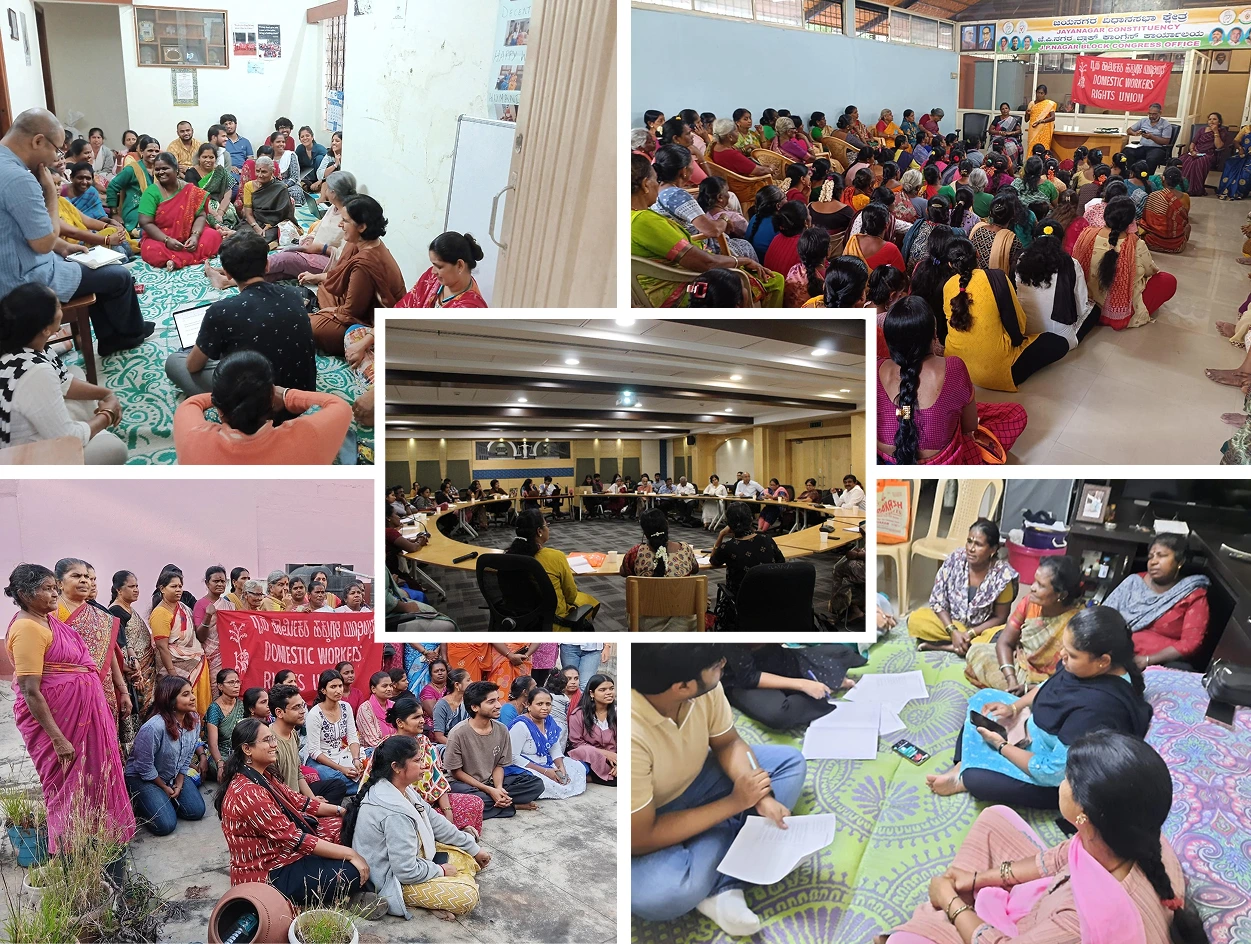
In response to the recent Supreme Court judgment acknowledging the urgent need for domestic worker protection laws, Mitr Sanketha and partner unions conducted an inter-district leaders workshop to educate, discuss, and gather community input for future legislation.
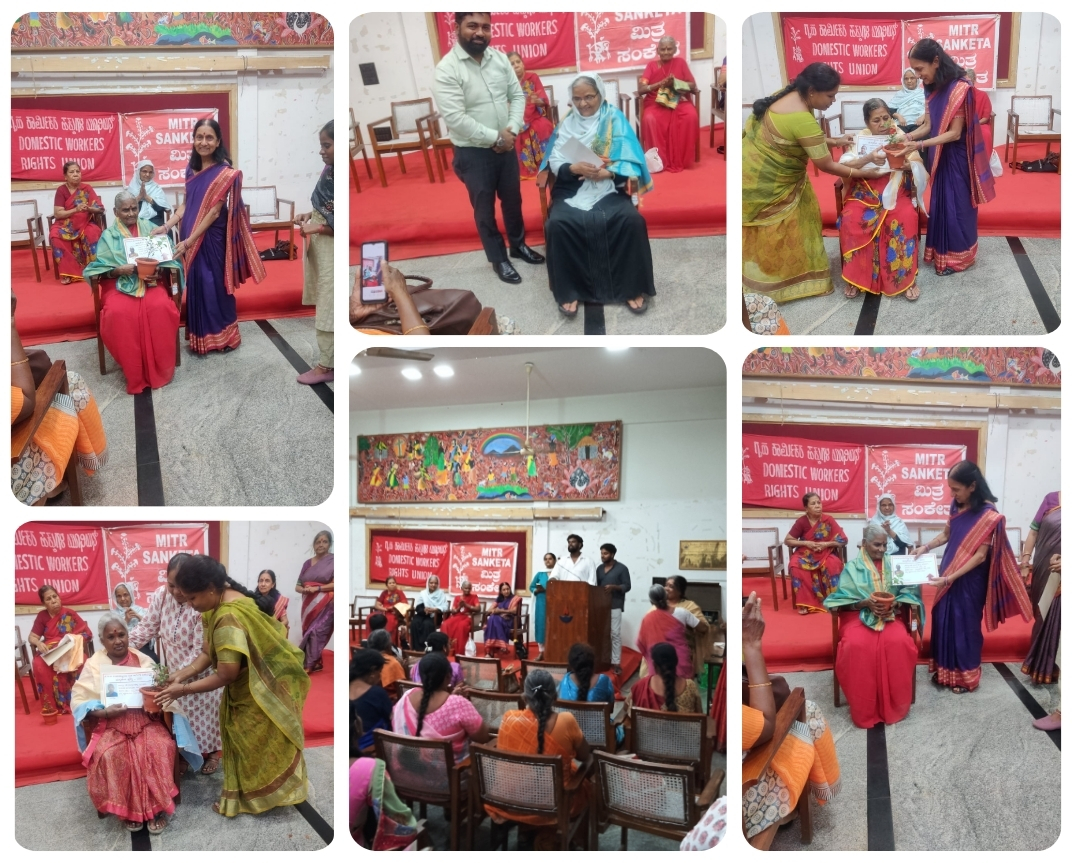
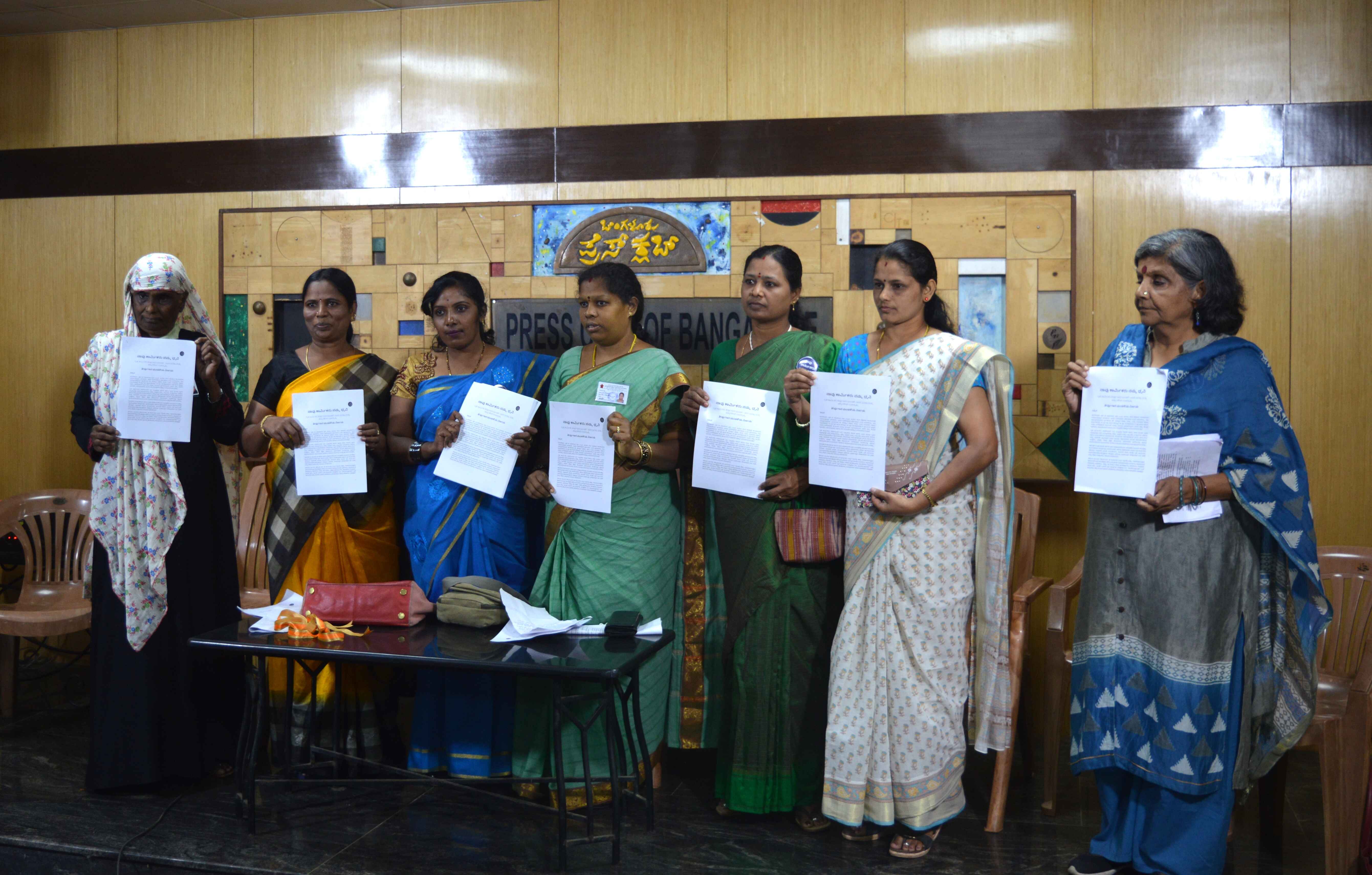
To honour the lifelong contributions of elderly domestic workers, Mitr Sanketha organized a special celebration and rights forum on May 31. Over 70 senior workers gathered to share their stories, highlight challenges, and submit formal demands for pension, social security, and recognition.
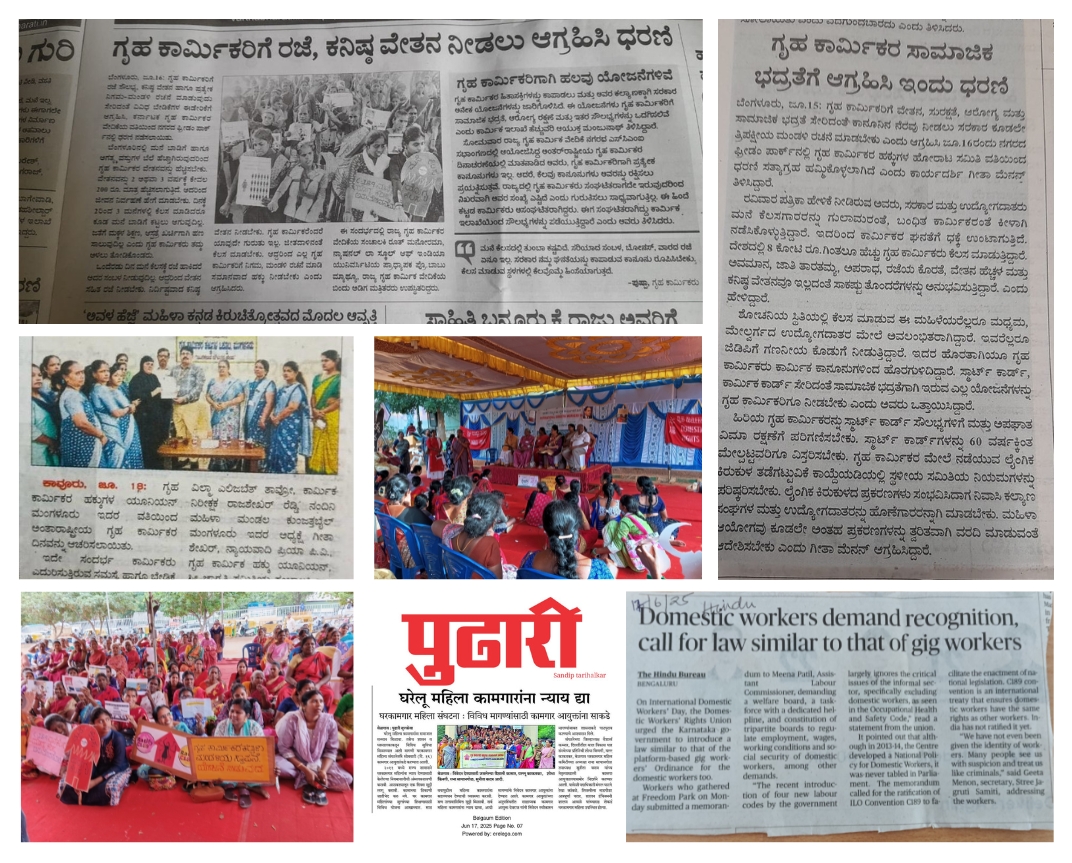
Marking International Domestic Workers Day, over 200 domestic workers, unions, and allies gathered at Freedom Park to demand legal recognition, living wages, and inclusion under national welfare schemes. Events also took place in Belgaum and Mangalore.
In 2025, the Domestic Workers Rights Union undertook a series of consultations, stakeholder meetings, public actions, and advocacy efforts to strengthen the legislative framework for domestic workers’ rights and social security in Karnataka.
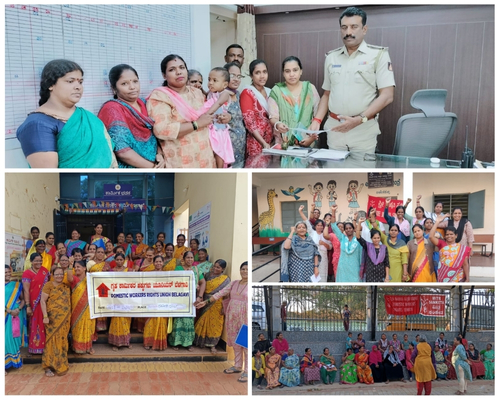
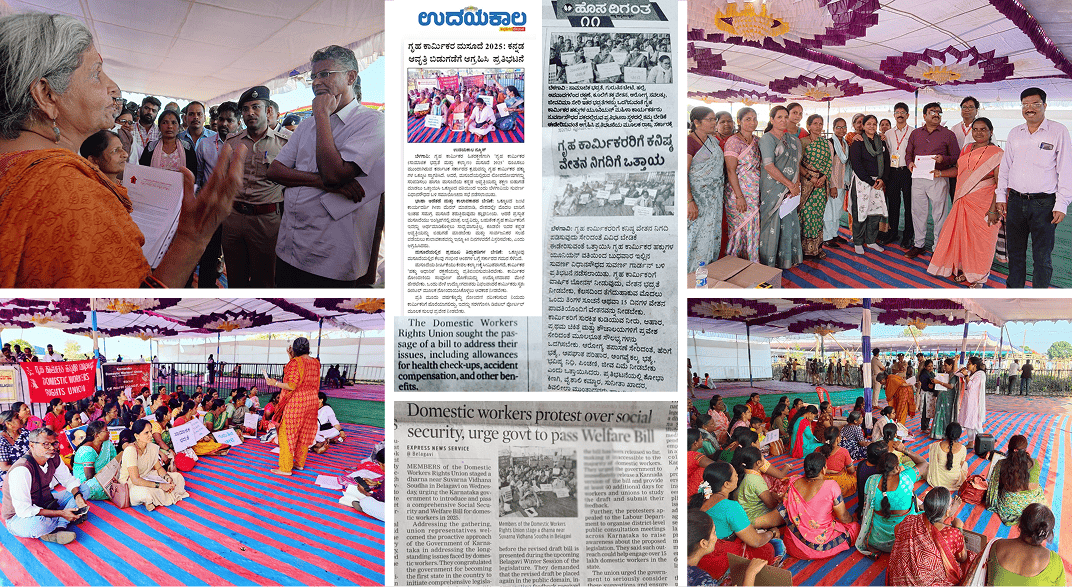
The Domestic Workers Rights Union (Karnataka) organized a one-day protest on 17 December 2025 in front of Suvarna Vidhana Soudha, Halaga, Belagavi. Over 80 domestic workers, along with union representatives from Belagavi, Bengaluru, Davangere, and Gulbarga, participated.
The protest demanded that the Karnataka government re-release the revised Domestic Workers Social Security Bill in the public domain, provide a Kannada version, and allow 60 days for detailed consultations with workers and unions. Union members emphasized that releasing the bill only in English excludes most domestic workers from giving meaningful feedback.
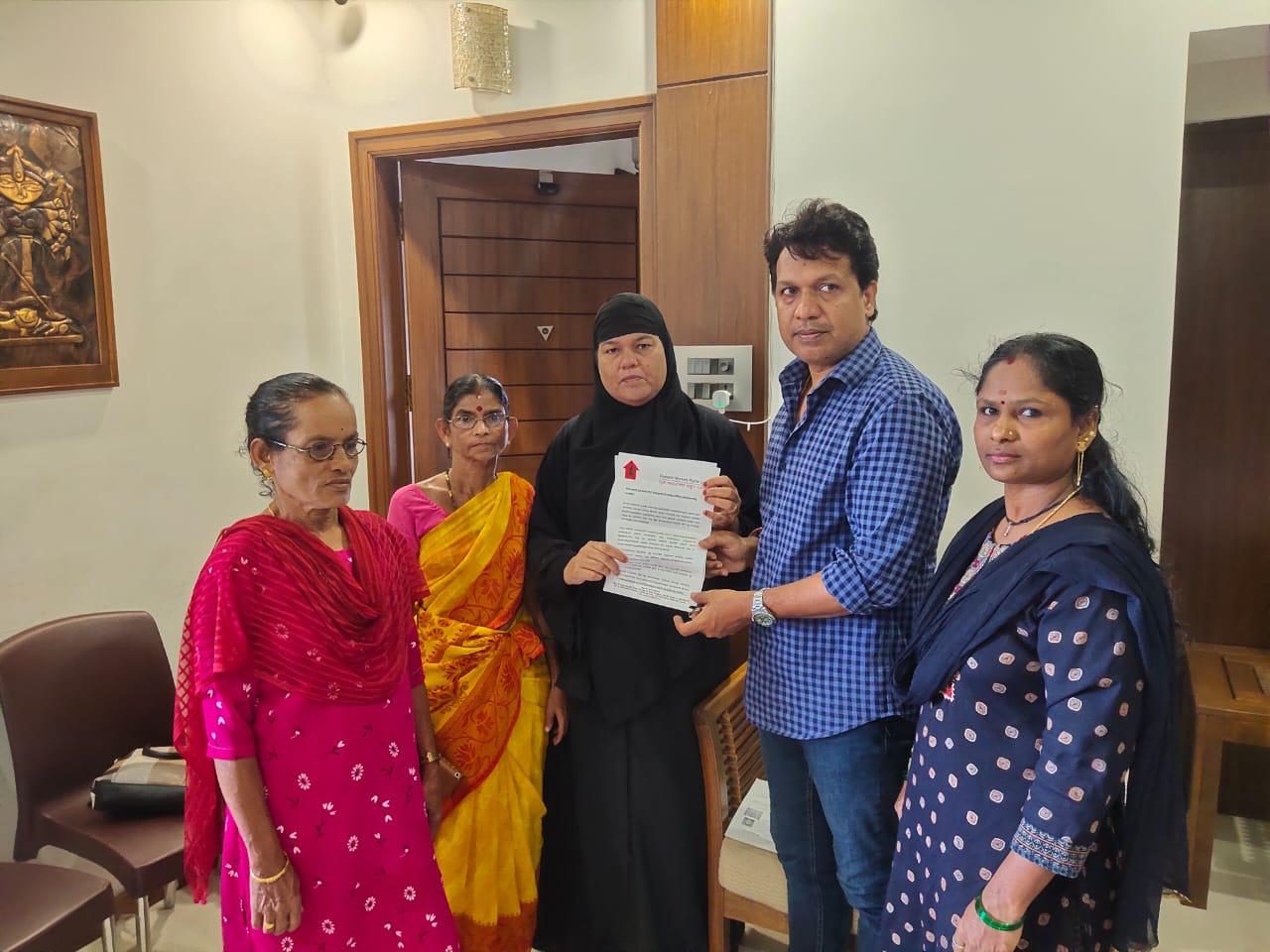
Minister for Public Works, Sri Satish Jarakiholi, visited the protest site, listened to the workers’ concerns, and received a memorandum of demands. Additional Labour Commissioner Dr. Manjunath also met the protestors and collected their submissions. The union reiterated the need for inclusive legislation that reflects the voices, suggestions, and objections of domestic workers across Karnataka.
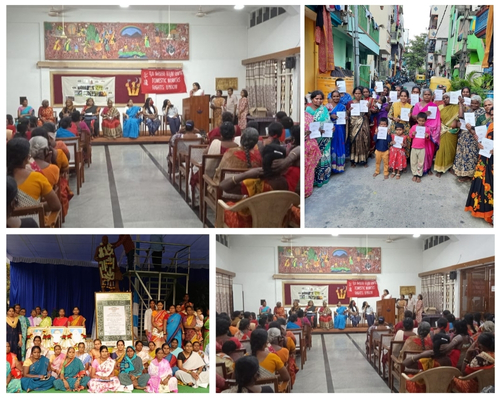
Samvidhana Habba celebration was a vibrant celebration of songs, games, slogans, heartfelt sharing and pledges for upholding the hard-won freedoms as well as constitutional values, especially social justice and fraternity.
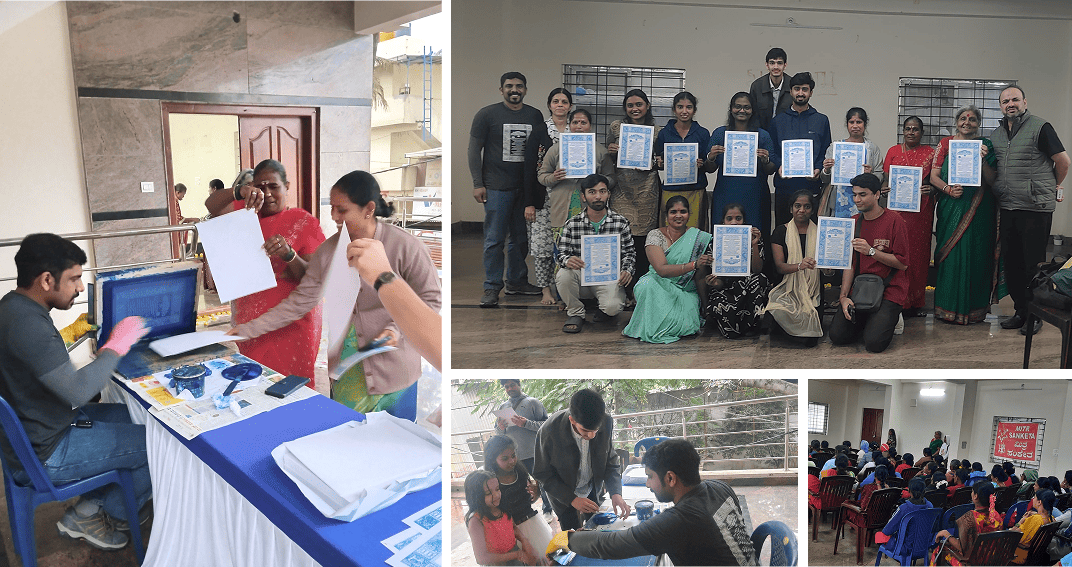
The purpose of the constitution day is to gather domestic workers, students, children, migrants and various orgnaisation together and celebrate the constitution day. More than90 domestic workers and few migrants, their children and domestic workers children, students from Oxford College, St. Joseph college students and other volunteers joined the celebration. The main attraction of the constitution day is songs by domestic workers and their children, dance performance and songs my learning center students. Constitution doll exhibition, printing of preamble and original constitution book exhibition and dolls of women workers displayed by Prof. Vijyashanthi from St Joesph college. Samvidhana Habba celebration was a vibrant celebration of songs, games, slogans, heartfelt sharing and pledges for upholding the hard-won freedoms as well as constitutional values, especially social justice and fraternity. Geeta Menon talked about Main 4 values of the constitution and social justice. Vinay Kumar shared about constitution, displayed original constitution book.
The "Naavu Kaarmikaru Namma Dhwani" initiative, organized by the Domestic Workers Rights Union-Karnataka in partnership with Socratus and Flourishing Bengaluru Collective, was held on April 11-12, 2022, at SCM House, Mission Road, Bengaluru. A representative jury of nine domestic workers deliberated on policies and initiatives for their wellbeing, focusing on regulations and safety. The event aimed to amplify the voices of domestic workers in policy-making. It fostered a collaborative environment for meaningful change.
Expert witnesses from bureaucracy, civil society, and academia presented insights, followed by jury discussions. Key recommendations include:
Stree Jagruti Samiti (SJS), founded in the 1980s in Mumbai and later established in Bangalore in 1986, is a mass organization dedicated to building an equal society free from class, caste, gender discrimination, and violence. It focuses on empowering women in the unorganized sector, particularly domestic workers, through the Domestic Workers Rights Union (DWRU), established in 2007.
The DWRU, with 4000–5000 members across three districts in Karnataka, advocates for domestic workers’ rights, addressing issues like exploitation, lack of legal contracts, and the need for recognition via the ILO Convention. Key activities include:
Bhanupriya, daughter of our union member Kavitha, was denied admission to 8th standard at Venkateshwara School due to unpaid fees from the previous year. The family, affected by the COVID-19 crisis, had requested a fee concession, but it was rejected. As a union, we intervened by speaking with the school administration and submitting a letter explaining their situation. We assured that the fees would be paid in installments. The school agreed, and Bhanupriya was admitted. This incident reminded our members that the union supports not just worker rights, but also their families and children’s futures.
Saritha, a 45-year-old domestic worker from Yarab Nagar, worked for 3 years in a house near BDA Complex. During the COVID second wave, she continued working despite the risks. In January, she took 15 days’ leave due to an emergency, and on return, found herself replaced—without receiving her pending salary. The union stepped in, spoke to the employer, and ensured she received her due amount of ₹1500. Through this, members learned how to handle such unfair dismissals and wage denials. It also helped strengthen unity and trust among the members.
Rani, 21, daughter of our union member Saraswathi, married a boy from another caste without family support. Within six months, she faced severe caste discrimination and dowry harassment, which tragically led to her suicide. The union immediately filed an FIR under the Atrocities and Dowry Prohibition Act. We stood by her family, especially Munniyamma and Saraswathi, offering legal and emotional support. This painful case became a lesson for the union and community on handling caste-based violence and injustice. Today, Munniyamma and Saraswathi have become stronger and guide other women facing similar issues.